Celtic's managerial future hangs in a delicate balance as interim boss Martin O'Neill's return for a new term remains a possibility. While the club is keen to secure a permanent manager following an underwhelming previous season, O'Neill's steady stewardship—leading Celtic to a domestic double—keeps the door open for further involvement. Determining the club’s next steps will be crucial, especially given the history-making pitfalls of their last managerial appointment.
Having capped off the 2025/26 season with the Premiership title and Scottish Cup trophy, O'Neill’s leadership, albeit temporary, proved effective. He was initially called back to manage after Wilfried Nancy's disastrous 33-day tenure, where Nancy oversaw eight games—winning just two and losing six. His swift dismissal underscored a somewhat chaotic period for Celtic, marred by poor decision-making. In January, O'Neill took over and helped stabilize a faltering squad, but at 74 years old, one might expect him to lean toward retirement rather than the rigors of another Pro season.
Assessing the Options for Celtic
Celtic's principal shareholder, Dermot Desmond, plans to meet with O'Neill in the next 24 hours to discuss the potential for him to continue in some capacity. O'Neill has proven capacity as both head coach and trusted advisor, but the core question remains: does he possess the appetite for another demanding season? Given his extensive experience in football, O'Neill's decision could significantly steer the direction of the club.
If O'Neill opts out of head coaching duties, he may still find a place in a more advisory role, contributing his extensive knowledge to the club's operations. The immediate future of Celtic hinges not just on his decision but also on strategic planning for a long-term vision. His past success means he could easily transition into a position where experience can guide future leadership choices. This is pivotal, especially given the history of management upheavals that have plagued Celtic recently.
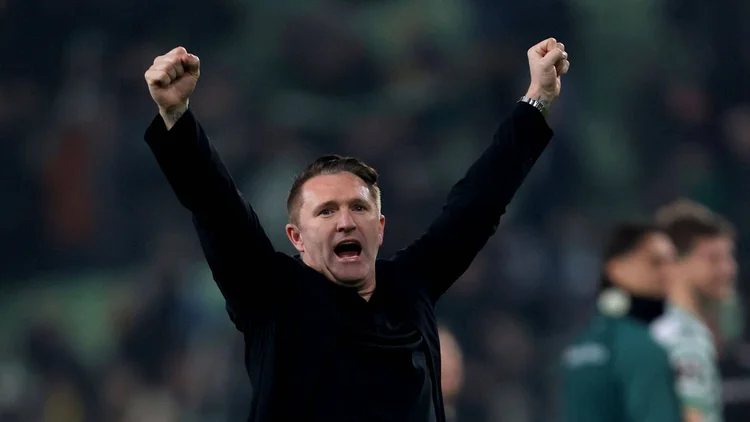
For a club historically anchored in strong leadership, the need to identify a long-term manager is pressing. Discussions have also been initiated with Robbie Keane, who recently left his position at Ferencvaros. Initial talks are positive, but Keane is being pursued by other clubs as well, namely Slovan Bratislava. This competition for managerial talent adds an urgent element to Celtic's search, particularly as O'Neill weighs his options. If you're working in this space, you know that the stakes have never been higher.
Another notable candidate is Craig Bellamy, currently at the helm of the Wales national team. Bellamy has expressed satisfaction with his role, citing a commitment to his players and ambitions to improve further. Despite the allure of managerial posts at Celtic, he seems poised to remain with the Welsh FA through at least the Euro 2028 tournament, which may limit his availability. His understandable reluctance to leave a national team position adds another layer of complexity to Celtic's search for a permanent manager.
The Bigger Picture
The situation at Celtic is illustrative of a broader trend in football where clubs oscillate between experienced figures and fresh talent. The instinct might be to read the urgency around managerial appointments as a simple search for stability. Yet, it’s a nuanced predicament; Celtic finds itself needing to balance immediate performance-based demands against the necessity of building a cohesive long-term strategy. O'Neill, although a venerable figure with historic ties to Celtic, represents both the comfort of continuity and the risk of stagnation.
This is more significant than it looks. The decision made in the coming days regarding O'Neill will signal much more than mere managerial preference; it reflects the club’s strategic ambitions as they aim to reclaim dominance in Scottish football. Should O'Neill decide to step aside, the path ahead will require careful consideration to ensure the new leadership aligns with the club's vision and ambitions.
As such, monitoring these transitions could provide insight into the approach that Celtic intends to take as they gear up for the next season—whether they'll pursue restorative leadership or opt for a bold new direction. The outcome is pivotal not just for the present roster, but for the broader cultural legacy of Celtic Football Club. It's about what kind of team they aspire to be; one that rebuilds based on a solid foundation, or one that risks everything in the name of progress. The pressure is on, and the future's at stake.