The recent initiatives by rOpenSci to cultivate first-time contributors to the Free and Open Source Software (FOSS) community reflect a broader trend of inclusivity that is reshaping how open-source projects operate. Funded by NumFOCUS and driven by a desire to dismantle barriers for new contributors, these efforts underscore a critical pivot within the open-source ecosystem: recognizing that engagement and onboarding practices can significantly influence participation and contribution quality. The challenge has been to make the open-source environment more accessible, particularly for those who may feel intimidated or unsure how to begin contributing.
Transformative Efforts to Engage New Contributors
To address the daunting challenges faced by novices, rOpenSci organized **mini-translathons** and **mini-hackathons**—structured yet informal events aimed at welcoming new contributors into the fold. The significance here is twofold: first, these events centralize the experience of making the first contribution, and second, they provide tangible frameworks for engagement that can easily be adapted by other communities. That’s key, because many potential contributors often gravitate toward projects that appear inviting and approachable.
The **mini-translathon** serves as a focused workspace where participants dive into translation and localization tasks. This format encourages collaboration, allowing contributors to enhance existing documentation and resources under the guidance of mentors. It's this aspect of mentorship that often makes the difference in whether a newcomer feels confident enough to continue contributing. The recent example paired with a Portuguese Community Call demonstrates a strategic approach to language inclusivity. Effective participation isn't just about technical ability; it’s also about cultural representation in community contributions, which can be crucial for making the project resonate globally.
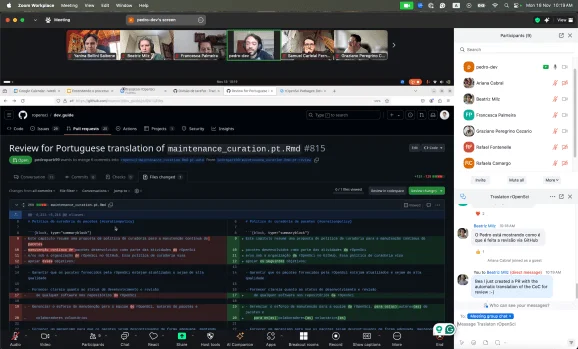
Demonstrating the PR process during the translathon
Hands-On Approach with Mini-Hackathons
Similarly, the **mini-hackathons** are tailored to provide a collaborative environment for coding tasks. In just a two-hour setup, these sessions address the common barriers to participation, allowing attendees to work on manageable, pre-prepared projects like code debugging and documentation updates. One of the most effective elements is the presence of maintainers and real-time support. This creates a safety net for participants, effectively lowering the intimidation factor. A hands-on approach not only enhances skills but encourages a "learning-by-doing" atmosphere that many newcomers appreciate.
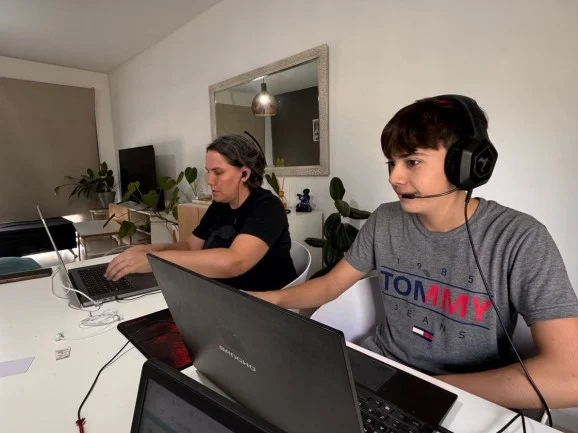
Yani and Juan Cruz participate in the mini-hackathon together
Documenting Best Practices for Future Initiatives
The grant from NumFOCUS also catalyzed the creation of a practical guide, “From User to Contributor: Organizing Events for First-Time Contributors.” This resource stands as both a record of their successful pilot efforts and a practical manual for other communities. The guide covers a range of topics, from timelines and insights from community calls to templates for future events, reflecting a commitment to knowledge sharing that lies at the heart of open-source values. It’s not just about rOpenSci; this is about setting a precedent.
As more communities tap into these strategies, it becomes evident that fostering inclusivity in tech contributes to a healthier ecosystem. Organizations like rOpenSci are not just encouraging participation; they are reshaping the notion of community contribution itself. However, a mere checklist won’t solve deeper structural issues. It requires a cultural shift within projects that prioritizes the onboarding experience and recognizes its significance.
Broadening the Spectrum of Participation
If you’re part of an open-source project, the takeaway here is crucial: consider how you can adapt these frameworks to foster inclusivity within your own community. The barriers first-time contributors face are real and can stem from both social and technical aspects, as identified by research like that of Steinmacher et al. (2015). In every project, an inclusive mindset is necessary. A collective effort where experienced contributors mentor newbies can transform participation dynamics significantly. What does your project look like from the outside? Are you inviting potential contributors to join?
As this movement strengthens, it raises an important question about the sustainability of open-source contributions: Are we doing enough to make the space inviting for diverse potential contributors? (And this is the part most people overlook.) The responsibility lies with each community to critically assess and improve their onboarding practices to ensure that future generations of developers, translators, and contributors feel empowered and welcomed. If you're working in this space, ask yourself if your practices reflect your inclusivity goals; it’s time to act. Because ultimately, the future of open-source contributions hinges on how well we can dismantle these barriers.
Future Implications and Significance
The efforts by rOpenSci are part of a larger movement in the tech community aimed at rethinking traditional contributions in open-source software. With rising awareness about diversity and inclusion, projects that ignore these facets risk losing out on talent and fresh perspectives. It's not just about adding more contributors; it's about enriching the entire ecosystem with varied insights and ideas.
As more organizations take note and implement similar strategies, the potential exists for an even healthier open-source community. This isn't just a trend; it represents a necessary evolution. The sustainability of the FOSS community requires continual adaptation to new societal expectations, which means that the work done by rOpenSci serves as an important model. The challenge will be maintaining momentum and ensuring that these principles aren’t just temporary fixes but rather woven into the fabric of contributors’ experiences for years to come.